Odiando a la Srta. Maisy: La alegría, el pesar y la rabia neurótica de leerle a tus hijos | Lev Grossman

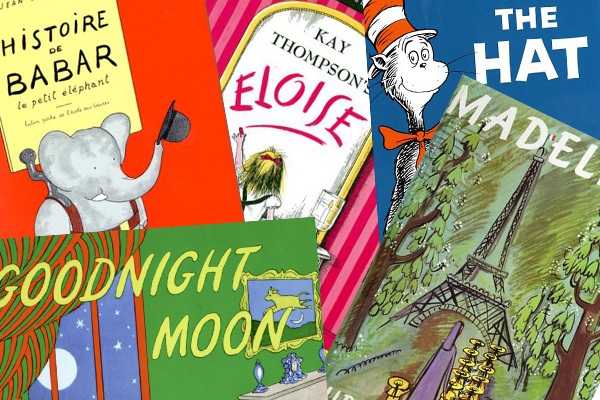
Lev Grossman, crítico de libros de TIME, revisa la relación intensa que tiene con los personajes de las historias que les ha leído a sus hijos, una y otra vez, durante los últimos ocho años. La exposición continua y el hecho de estar leyendo algo que no siempre es lo que quiere leer, lo han conducido inevitablemente a fijarse en muchos detalles, a pensar en los personajes, su mundo más allá del texto y si, lógicamente, a odiarlos.

For example: I’m convinced that the parents in Harry the Dirty Dog are secretly evil. I’m sure they recognize their own dog when he comes home. How could they not, however dirty he might be? He flop-flipped! (And why else would they allow their children to give an otherwise strange, filthy, feral stray dog a bath?) They’re toying with the poor thing’s emotions! It’s just cruel.

Pero también, como crítico de libros, Grossman ha desarrollado una profunda reverencia hacia los autores y su habilidad para navegar fácilmente entre observaciones y situaciones que denotan un exhaustivo conocimiento del ser humano y la lógica absurda del mundo infantil:

Or Ludwig Bemelmans—who was that guy? If I were writing for children—which I will never do, because it’s obviously a game for masters only—I would never have thought to give Madeline appendicitis, let alone an appendix scar. But Bemelmans has her yank up her pajama top and display the scar to her awed fellow students, and she does it with the proud, dignified, closed eyes of a Michelangelo yanking the sheet off his David for the first time. How did he know?

«Es obviamente un juego sólo para maestros». Esto es algo indiscutible. Las historias para niños son las más difíciles de escribir, las más psicológicamente extenuantes. ¿Cómo construyes un personaje sólido en tres frases? ¿Cómo haces para que el lector no se aburra? ¿Y qué hay de la poesía para niños? La poesía para niños es despiadadamente difícil. Por ejemplo, este poema de Jairo Anibal Niño:

¿Qué es el gato?

El gato
es una gota
de tigre.

¿Cómo supo?

Sigue leyendo Hating Ms. Maisy: The Joy, Sorrow and Neurotic Rage of Reading to Your Children


trabajo

Tengo los comentarios apagados por esta razón. Si te gusta este post, compártelo con tus amigos.

Rockola literaria

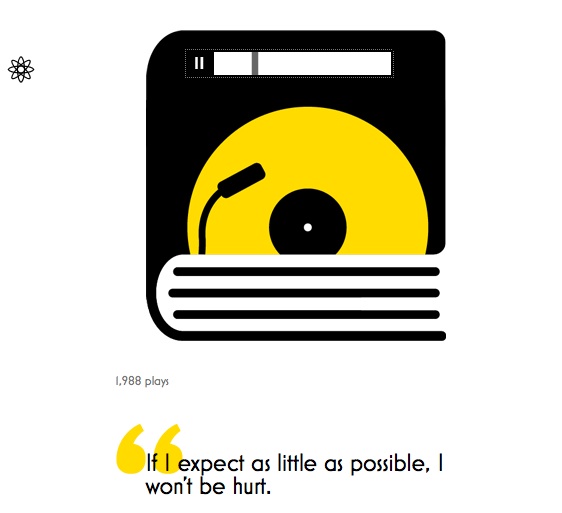
Maria Popova es lo más cercano que puede haber a una coolhunter en el mundo literario. Su blog brain pickings es obligatorio si tienes algún remoto interés por la literatura. En él, no solo comparte lo que encuentra, sino también elabora proyectos personales, como este homenaje al Sorted Books de Nina Katchadourian.

Hace unos días, comenzó un nuevo experimento.

As a lover of both literature and music, I frequently find myself immersed in a passage, with a conceptually related song beginning to play in my mind’s ear. I recently started making such matches more consciously and was quickly drawn into a highly addictive exercise in creative intersections and associations. So I decided to make a little side project out of it.

La Rockola Literaria es una excelente implementación de una idea brillante. Contrario a lo que un cínico podría esperar, todavía no he encontrado un tema previo al año 2000. El contraste entre algunos clásicos del siglo XX y la música del siglo XXI, hace de la rockola un experimento aún más interesante.


Nothing good gets away | John Steinbeck

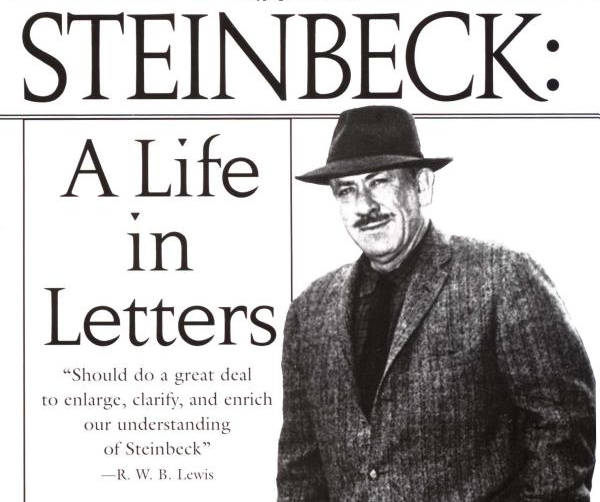
En el libro Steinbeck: A Life in Letters encontramos esta maravilla que Steinbeck le escribe a su hijo Thom, como respuesta a una carta en el que el adolescente le confiesa haberse enamorado perdidamente de una chica llamada Susan mientras estaba en el internado.

Léela, algún día querrás manejar una situación así y explicar las cosas de manera tan clara:

New York
November 10, 1958

Dear Thom:

We had your letter this morning. I will answer it from my point of view and of course Elaine will from hers.

First — if you are in love — that’s a good thing — that’s about the best thing that can happen to anyone. Don’t let anyone make it small or light to you.

Second — There are several kinds of love. One is a selfish, mean, grasping, egotistical thing which uses love for self-importance. This is the ugly and crippling kind. The other is an outpouring of everything good in you — of kindness and consideration and respect — not only the social respect of manners but the greater respect which is recognition of another person as unique and valuable. The first kind can make you sick and small and weak but the second can release in you strength, and courage and goodness and even wisdom you didn’t know you had.

You say this is not puppy love. If you feel so deeply — of course it isn’t puppy love.

But I don’t think you were asking me what you feel. You know better than anyone. What you wanted me to help you with is what to do about it — and that I can tell you.

Glory in it for one thing and be very glad and grateful for it.

The object of love is the best and most beautiful. Try to live up to it.

If you love someone — there is no possible harm in saying so — only you must remember that some people are very shy and sometimes the saying must take that shyness into consideration.

Girls have a way of knowing or feeling what you feel, but they usually like to hear it also.

It sometimes happens that what you feel is not returned for one reason or another — but that does not make your feeling less valuable and good.

Lastly, I know your feeling because I have it and I’m glad you have it.

We will be glad to meet Susan. She will be very welcome. But Elaine will make all such arrangements because that is her province and she will be very glad to. She knows about love too and maybe she can give you more help than I can.

And don’t worry about losing. If it is right, it happens — The main thing is not to hurry. Nothing good gets away.

Love,

Fa


Entre toda la sabiduría que hay en esta carta, el cierre es un relámpago: «Lo principal es no apurarse. Nada de lo bueno se va».

vía brainpickings